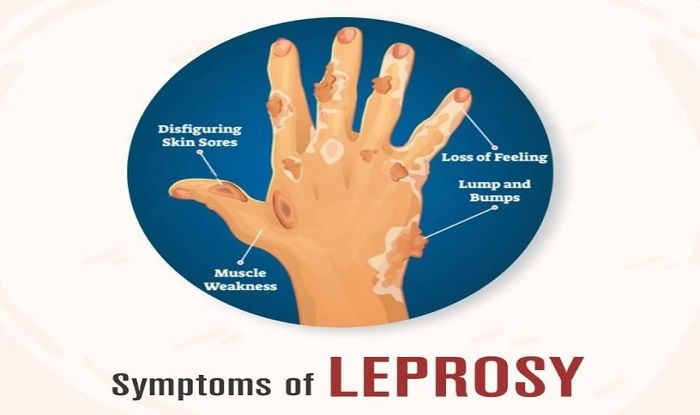
how leprosy affects the body The physical indicators of leprosy are wide ranging, here are a few
Leprosy: Understanding the Myths and Misconceptions Leprosy, also known as Hansen’s disease, is a chronic infectious disease that affects the skin and nerves. Despite being curable, this condition is often surrounded by myths and misconceptions that continue to stigmatize those who have been diagnosed with it. In this article, we will bust some of the most common myths surrounding leprosy and shed light on the true nature of this condition. Myth #1: Leprosy is contagious The most common myth about leprosy is that it is highly contagious and easily transmitted from person to person. In reality, leprosy is only mildly infectious, meaning that it takes prolonged and close contact with an infected person for the disease to spread. Moreover, leprosy is now treatable with multidrug therapy (MDT), which means that people who have been diagnosed with the condition can be cured and lead a normal life. Myth #2: Leprosy causes body parts to fall off Another common myth about leprosy is that it causes body parts such as fingers, toes, and ears to fall off. In reality, leprosy does not directly cause body parts to fall off. However, the disease can cause nerve damage that results in loss of sensation in the extremities, which may lead to injuries and infections that require amputation. With timely diagnosis and treatment, the risk of complications can be greatly minimized. Myth #3: Leprosy only affects people in poor countries Contrary to popular belief, leprosy is not just a disease of poor countries. While the majority of cases are reported from developing countries in Asia, Africa, and Latin America, leprosy can occur in any part of the world, including developed countries with advanced healthcare systems. In fact, the number of leprosy cases reported in the United States has been increasing in recent years, highlighting the importance of continued vigilance and awareness. Myth #4: Leprosy is a punishment from God This myth is steeped in religious and cultural beliefs that have persisted for centuries. Many cultures have viewed leprosy as a punishment from God for sinful behavior or a result of bad karma. However, leprosy is a medical condition that has nothing to do with divine intervention or personal morality. By educating people about the true nature of leprosy, we can overcome these misconceptions and promote greater acceptance and understanding. In conclusion, leprosy is an infectious disease that has long been misunderstood and stigmatized. By busting these myths and misconceptions, we can promote greater awareness and understanding of this condition. It is important to seek medical care if you have any symptoms or concerns about leprosy, and to treat those who have been diagnosed with compassion and respect.
If you are looking for Pathophysiology of Leprosy you’ve visit to the right web. We have 5 Pics about Pathophysiology of Leprosy like The physical indicators of leprosy are wide ranging, here are a few, Leprosy: Top Myths And Misconceptions Surrounding The Condition, Busted and also Leprosy: Top Myths And Misconceptions Surrounding The Condition, Busted. Here you go:
Pathophysiology Of Leprosy
 www.slideshare.netleprosy disease pathophysiology slideshare hansen
www.slideshare.netleprosy disease pathophysiology slideshare hansen
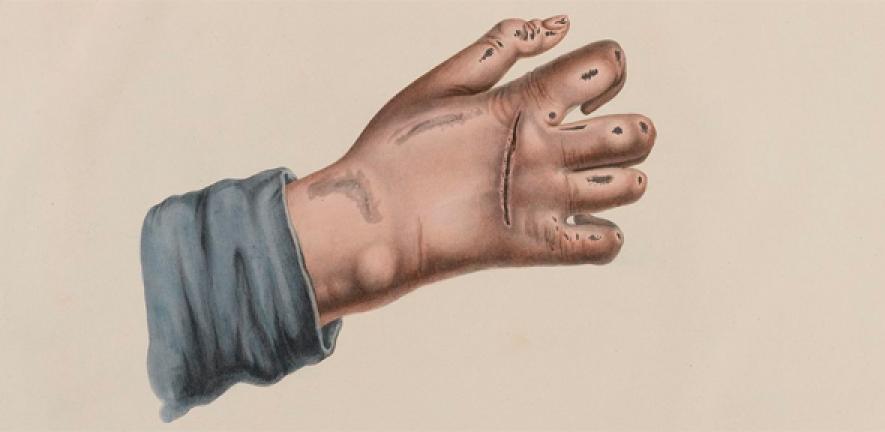
Leprosy Turns The Immune System Against Itself, Study Finds
 www.cam.ac.ukleprosy immune
The Physical Indicators Of Leprosy Are Wide Ranging, Here Are A Few
 www.pinterest.com.auleprosy afflicted humankind
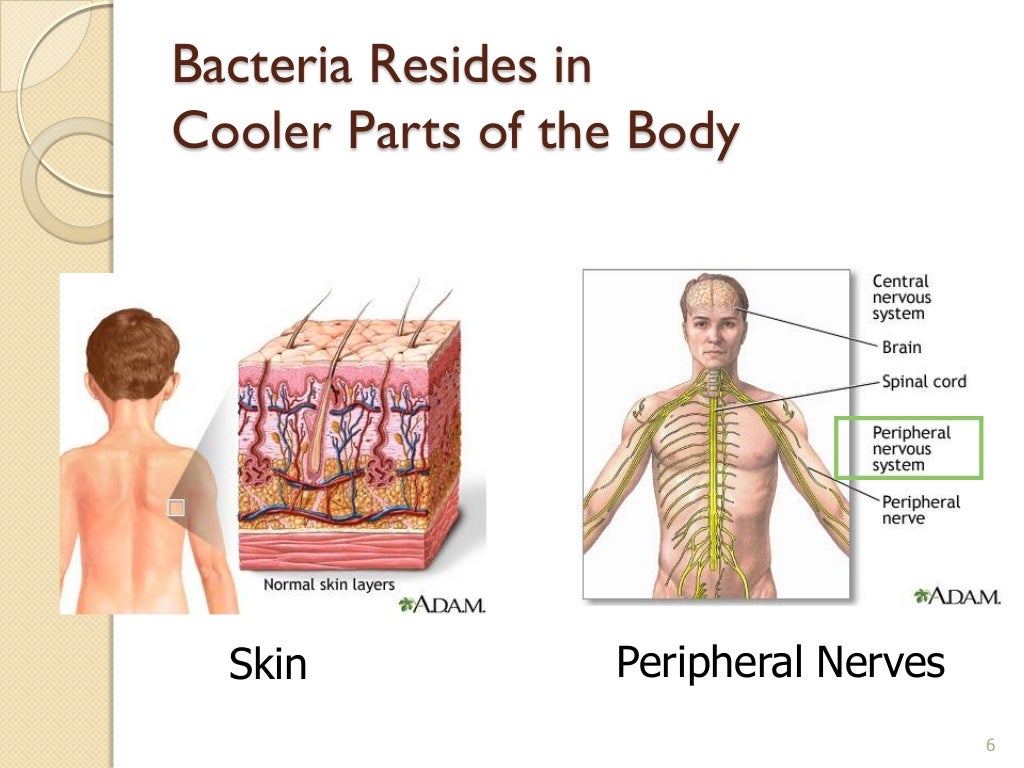
Pathophysiology Of Leprosy
 www.slideshare.netleprosy pathophysiology peripheral
Leprosy: Top Myths And Misconceptions Surrounding The Condition, Busted
 www.india.comleprosy hereditary misconceptions busted myths practitioner
Leprosy pathophysiology peripheral. Pathophysiology of leprosy. Leprosy disease pathophysiology slideshare hansen